

Most service customers don’t leave over price. They leave because, somewhere along the way, the dealership got harder to schedule with than the shop down the street. A dealer visit averages $261. A general repair visit averages $275 (Cox Automotive, April 2026). So it usually isn’t the bill… it’s the hold music, the wait, and the quiet after they drive away.
And honestly? That’s good news. You can’t wish a price lower. But friction is something you can start fixing Monday morning.
Are customers really leaving dealership service?
Yes. Dealerships handle 12% fewer service visits than they did in 2018, and their share of visits slipped from 33% to 29% (Cox Automotive 2025 Service Industry Study).
Average dealer service and parts revenue still hit about $9.23 million in 2025, up 33% in eight years (Cox Automotive, April 2026). Revenue per store is growing. The number of visits isn’t.
It starts early. From 2018 to 2025, the share of owners returning to the dealership where they bought fell from 72% to 54% for vehicles under two years old, and from 70% to 51% for vehicles two to five years old (Cox Automotive, April 2026).
These customers are still under warranty, with your plate frame on the bumper. They didn’t regret buying from you. Nobody gave them a reason to come back.
Why do customers stop coming back?
Convenience. When Cox asked car owners directly, convenience was the top reason they didn’t return, ahead of any price concern. Trust was the top reason they did, chosen by 22%.
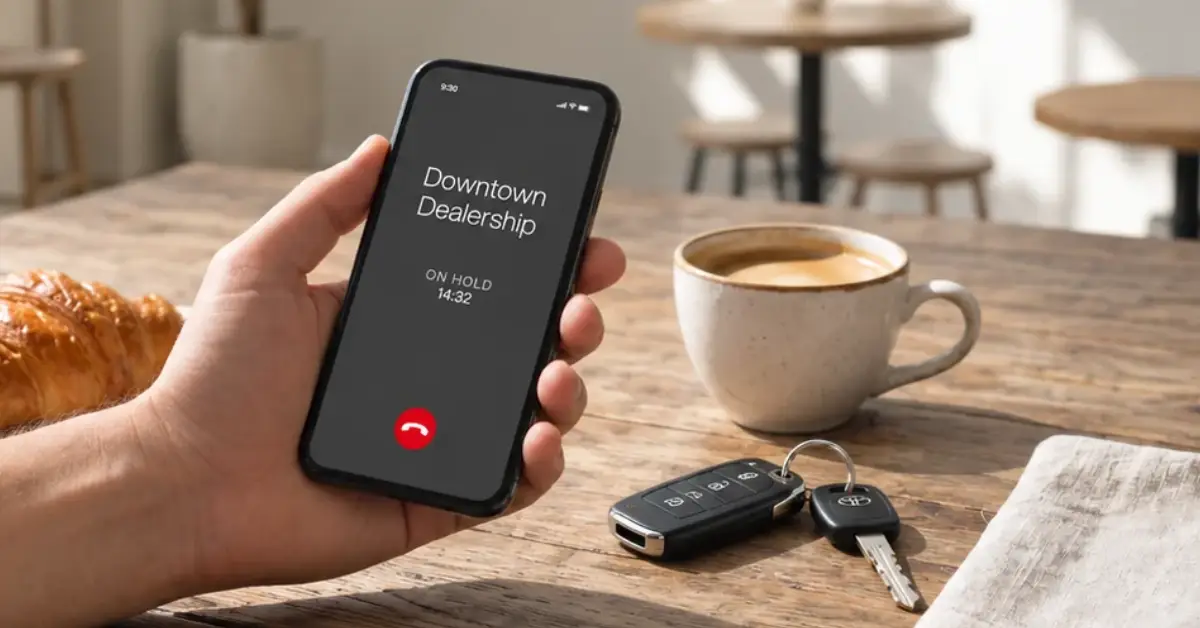
Picture one of your customers…or even better, picture a close family member…who calls to book an oil change and sits on hold. They try your website instead and gives up on searching for the service scheduler or on the part where it asks for the VIN of their vehicle. If they do finally make it in, they spend two hours in the lounge. By then, they’re just wanting it to be over. So they decline the brakes to get out of there fast. After that, nobody follows up, and they start going to the shop down the street instead. Nothing went wrong, exactly. It just was inconvenient and impersonal.
So what makes a visit feel inconvenient and impersonal? It usually comes down to four moments.
It takes too long. J.D. Power’s 2026 U.S. Customer Service Index (CSI) Study found maintenance visits take about three times longer at dealerships than at aftermarket shops. Mass market customers waited 1.61 hours on average and premium customers 2.46 hours… while 62% of aftermarket visits for similar work were done in under an hour.
It feels expensive, even when it isn’t. On average, a dealer visit actually costs a little less than general repair. But plenty of customers still assume the dealership is the pricey option. When nobody tells them otherwise, they fill in the blanks themselves.
They can’t see what’s going on. 64% of customers want a photo or video with their multipoint inspection. Only 26% of mass market customers and 44% of premium customers say they actually get one (J.D. Power, 2026).
Nobody books the next visit. 80% of new vehicle buyers say they’ll probably service where they bought. Only 30% leave with that first appointment on the calendar (Cox Automotive, April 2026). Meaning to come back and actually coming back are two very different things.
Notice what’s not on the list? The quality of your work. Your techs know the brand. Your parts are right. Customers aren’t doubting what you can do… they just want getting to you to be easier.
What does a lost service customer cost the dealership?
About $12,398 in service spend over the life of the vehicle, by Cox’s estimate (2.4 visits a year, 8.4 years of ownership, $615 average RO).
Then there’s the next car. Among buyers who came back for service in the past year, 74% say they’re likely to buy their next vehicle from the same dealership, versus 44% of those who didn’t. And 88% say service affects whether they’d buy there again (Cox Automotive, April 2026).
So when that family member quietly moves their oil changes down the street, you don’t just lose an RO. You lose the relationship that was going to sell them their next car.
What are dealers doing to win them back?
Most stores are already working on it. These are the moves we see most, and what each one does and doesn’t fix.
- Specials and price matching. They help customers see the dealership isn’t the expensive option. They don’t help anyone get through on the phone.
- More people on the BDC. It helps, right up until 8am when every line is lit.
- Express lanes for routine work, so a quick oil change actually feels quick.
- Video inspections. Customers who get them spend about $230 more per RO (Cox Automotive, April 2026).
- Mobile and valet service, which are still uncommon at traditional dealers (J.D. Power, 2026).
- A new tool for every problem. One for phones, one for booking, one for texting, one for recalls. Each one fixes a piece… and someone on your team spends their week keeping them all in sync.
Every one of these can help. But the stores that keep customers the longest usually step back and ask one simple question: what does it actually feel like to do business with us, from the customer’s side of the counter?
What actually keeps service customers coming back?
Ease. Customers come back to the dealership that makes coming back the easy choice. What’s the thread that holds this all together? It comes down to four habits.
1. Answer every call
The phone is still where most service relationships start. When a customer can’t get through, they don’t leave a message and wait. They call the next shop. Answer every service call, and if they want to book, let them book right then.
2. Make booking quicker than the drive over
Booking should work from your website, from Google and from a text, in just a few taps. No hunting for the scheduler. No digging for the VIN. And it should spread appointments across the day, so your bays aren’t full at 8 and empty by 2.
3. Book the first visit before they leave the lot
This might be the easiest win in the building. Cox calls early service setup one of the most controllable levers for long term retention. Every customer you move from the 80% who mean to come back into the 30% who leave booked is someone you’d already earned.
4. Remember for them
Your customers shouldn’t have to remember when they’re due. You should. Declined work, service due, open recalls, customers who’ve gone quiet… those are all good reasons to reach out. And every message should link straight to booking, so saying yes takes one tap.
Put all four together and your customer never has to repeat themselves. When the call knows about the text, and the text knows about the booking, it feels like one store that remembers them.
Where does BLiNK fit?
BLiNK AI answers service calls, handles online booking, sends outreach and acts on vehicle alerts. Every booking lands in Scheduler, which works with the scheduling system you already use. We’ve built all of it in house since 2017.
From January to September 2026, 76% of callers who called a BLiNK store to book service booked on that call, and customers booked more than 1.2 million appointments across every channel. Your team gets to focus on the customer in front of them… and the one on the phone isn’t left waiting.
If you’ve been wondering whether customers are drifting away from your store, let’s take 20 minutes and look at where they drop off, together. They may be closer to coming back than you think.
FAQ
Why do customers stop servicing at the dealership?
Usually convenience, not price. Cox Automotive’s 2026 research found the average dealer visit ($261) costs about the same as general repair ($275) and that convenience is the top reason owners don’t return. J.D. Power’s 2026 CSI Study found dealer maintenance visits take about three times longer than at aftermarket shops.
How much is a lost service customer worth to a dealership?
About $12,398 in service spend over the ownership period, by Cox Automotive’s estimate (2.4 visits a year, 8.4 years of ownership, $615 average RO). Customers who return for service are also far more likely to buy their next vehicle there: 74% compared with 44% of those who don’t.
Do customers think dealer service costs more than independent shops?
Many do, even though it isn’t true on average. Cox Automotive’s 2026 Fixed Operations and Ownership Study found the average dealer visit was $261 versus $275 at general repair, yet many consumers still see the dealership as the more expensive choice.
What is the fastest way to improve service retention?
Book the first service appointment at delivery, answer every service call, and let customers book online in a few taps. Cox found 80% of new vehicle buyers intend to return to the selling dealer, but only 30% leave with their first appointment scheduled (April 2026).
Does dealer service affect future vehicle sales?
Yes. In Cox Automotive’s 2026 study, 88% of consumers said their service experience affects whether they’d buy from that dealer again, and 74% of buyers who returned for service said they’re likely to buy there again, compared with 44% of those who didn’t.